

Saltwater Aquarium for Beginners | Beginners
Saltwater Aquariums for Beginners – Top 10 Tips & Common Mistakes
- 1.The Aquarium
- 1.1The Tank: The Right Size for Beginners
- 1.2The Water: Natural Saltwater or Synthetic Seawater?
- 1.3The Substrate in a Saltwater Aquarium
- 2.Equipment for a Saltwater Aquarium
- 3.Fish, Corals, & More
- 3.1Yellowtail Demoiselle
- 3.2Flame Dwarf Emperor
- 3.3Clark’s Anemonefish
- 3.4Corals
- 4.Setup & Care Guide
- 4.1Setting Up the Aquarium
- 4.2The Right Water Parameters in a Saltwater Aquarium
- 4.3Proper Care of a Saltwater Aquarium
- 5.Saltwater Aquarium for Beginners as a Complete Set
- 6.Summary
Have you discovered the world of aquariums and want to really get started? To make it easier for you to purchase a tank and accessories, we’ve put together an overview of everything you need to consider, along with helpful tips for beginner aquarists.
The Aquarium
If you’re looking to buy a saltwater aquarium, there’s a lot to consider—from choosing the tank and equipment to stocking it with corals and fish and providing proper care. As a beginner in the hobby, you should do thorough research to find the right aquarium.
Particularly popular among beginners are the high-quality products from the Red Sea brand, which you can find in our online store. You can choose whether to build your aquarium yourself or opt for a complete set that comes with all the necessary equipment already included.

Red Sea

Red Sea

Red Sea

Red Sea
The Tank: The Right Size for Beginners
It makes sense for beginners to start small. That’s why nano-aquariums—which have a capacity of between 10 and 60 liters—are a popular choice. These are often quite affordable as well.
As a rule, however, nano tanks require more maintenance than larger tanks. This is because the smaller the tank, the more the water quality can fluctuate. And, of course, such a tank offers very little space. It might be enough for a few shrimp and hermit crabs, but such a tank doesn’t do justice to fish. On the other hand, a nano aquarium is very well suited for aquascaping—that is, creating underwater landscapes with plants.
If you want to keep fish in your aquarium, you should buy one that measures at least 60x30x30 cm and holds 54 liters of water. A larger tank is also an option.
Rule of thumb: The larger the tank, the more worthwhile it is to get a complete kit.
The Water: Natural Saltwater or Synthetic Seawater?
First things first: Tap water isn’t suitable for your saltwater aquarium. Ultrapure water is typically used here. This fully desalinated seawater is free of medications and additives and is then treated with salt. You can either do this yourself or, alternatively, buy pre-salted ultrapure water at a store.
The advantage of pre-salted water is that it has the optimal density. To prepare the ultrapure water yourself, you’ll need a reverse osmosis system. This system filters the water so that it’s free of contaminants. Alternatively, you can use a full-desalination system. Once you’ve produced the ultrapure water, you’ll need to enrich it with salt.

Tropic Marin

Dupla Marin

Dupla Marin

Arka
coming soon available
The Substrate in a Saltwater Aquarium
In a saltwater aquarium, a reef structure made of rocks forms the foundation. This solid structure is supplemented and framed by coral sand or coral rubble. Here, you can choose from various grain sizes and colors.

BGStock72 (#42944878) - Adobe Stock
It’s best to choose medium-grained coral sand (2 to 5 mm), which you should layer 2 to 4 cm high around the reef rocks. It shouldn’t be too fine, otherwise the filter’s current will stir it up and carry it away. Some fish species use the sand as a sleeping area; in this case, you should pile it significantly higher.
An alternative is what’s known as “live coral sand.” This is sand that’s extracted directly from the ocean in its country of origin and still contains all the living bacterial cultures and microorganisms that normally inhabit the ocean floor. For reef aquariums, this helps create additional ecological stability, but you must also pay attention to the sand’s durability.

Aqua Medic
coming soon available

Aqua Medic
Equipment for a Saltwater Aquarium
The basic equipment for any aquarium includes a heater, a protein skimmer, a flow pump, and lighting. Compared to a freshwater aquarium, a saltwater aquarium requires a bit more equipment. We’ve compiled the most important items for you below.
Lighting
To ensure that fish and corals have enough light, you’ll need artificial lighting for your aquarium. In most aquariums, this is housed in the lid. However, open-top aquariums are also possible, in which the light hangs down from above. Sunlight is insufficient in our latitudes and also provides an opportunity for algae and other organisms to proliferate. The lighting should be on for ten to twelve hours a day to simulate a regular day-night cycle. A timer is useful for this purpose.10% Discount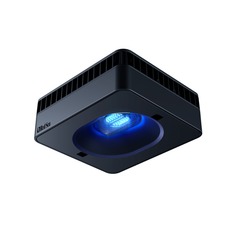
Red Sea
Red Sea ReefLED G2 115394.95 € EIA 439.00 €10% Discount
Red Sea
Red Sea ReefLED 90 Universal Mounting Arm80.95 € EIA 89.99 €0% Discount
Red Sea
Red Sea ReefLED 160Scoming soon available
699.95 € EIA 699.00 €10% Discount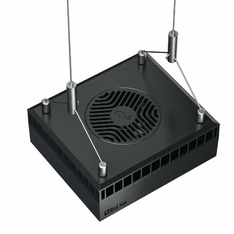
Red Sea
Red Sea ReefLED 60/50 Hanging Kitcoming soon available
23.95 € EIA 26.50 €It’s best to opt for energy-efficient LED technology. Although these lights are more expensive to purchase, they last significantly longer and consume less energy. In addition, LEDs have built-in reflectors that direct the light specifically toward the lower part of the tank. Starter kits for aquariums include simple LEDs that emit warm white or cool white light.
Heating
A heating rod ensures the correct water temperature; it can be secured inside the tank with suction cups and compensates for fluctuations in ambient temperature. A heater has a thermostat that automatically turns it on and off. For this reason, the heater must be permanently connected to the power supply.Pro TipWhen purchasing a heater, make sure it has sufficient heating capacity if it’s intended to heat a large aquarium. To save energy, it should have a standby mode. Also, not every heater is suitable for saltwater aquariums!
UV
Lamp/Ozonator A UV lamp or ozonator destroys bacteria, viruses, fungi, and algae, as well as the stinging toxins in corals. Using one results in crystal-clear water and reduces ammonia and nitrite levels. It’s enough to run the UV lamp or ozonator for a few hours a day.How to Control Algae in Your Aquarium
Calcium Reactor
A calcium reactor supplies your saltwater aquarium with the most important minerals: calcium and carbonate. It prevents your aquarium inhabitants from suffering from mineral deficiencies.Pro TipThe calcium reactor is an outdated method of supplying a saltwater aquarium. It is recommended to use a system that supplies trace elements.
Protein Skimmer
A protein skimmer removes unwanted organic waste produced by normal biological processes in the aquarium, thereby keeping the water clean. It should not be undersized relative to the water volume; otherwise, nitrate levels may rise rapidly, endangering your fish.Flow Pump
Many fish species and corals depend on water flow. With a flow pump, you can simulate this in your aquarium. You can find popular models from Jebao, Tunze, and Red Sea in our online store.5% Discount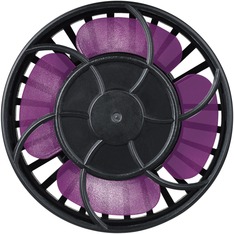
Jebao
Jebao WiFi Wave Pump MLW-5coming soon available
97.95 € EIA 102.90 €11% Discount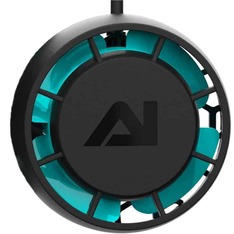
Aqua Illumination
Aqua Illumination Nero 3coming soon available
209.95 € EIA 234.95 €10% Discount
Red Sea
Red Sea ReefWave 25coming soon available
269.95 € EIA 299.00 €3% Discount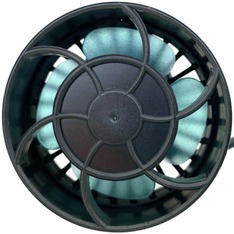
Jebao
Jebao Wave Pump SLW-1083.95 € EIA 86.90 €Osmolator
An osmosis system filters impurities, bacteria, and viruses out of the water and plays a key role in maintaining hygiene in the aquarium.


The easiest way is to go straight for a handy aquarium kit that includes all the essential technical equipment for your aquarium. Bonus: The individual components are perfectly matched to work together.
Fish, Corals, & More
Once the equipment is installed and the tank is filled with water, it’s finally time to add the inhabitants. Whether you want a reef aquarium or a natural-looking tank with various animals depends on your preferences. You can keep a single species of fish in the aquarium—in which case it’s called a “single-species tank”—or combine multiple species to create a “community tank.” With the latter, it’s important that the animals are compatible in groups and don’t attack or even eat each other.

Pixabay
Yellowtail Demoiselle
The yellow-tailed demoiselle (Chrysiptera parasema) is recommended for beginners in aquarium keeping. It has minimal requirements for water and food and is very easy to care for. These small blue fish with yellow tails are beautiful to look at and can live up to six years.
The yellow-tailed demoiselle defends its territory and can become aggressive toward other fish. Therefore, you shouldn’t add it as the first fish species to a community tank.
Flame Dwarf Emperor

Grigory Bruev (#297573790) - Adobe Stock
The Flame Dwarf Angelfish (Centropyge loricula) is bright orange with black stripes. During the day, it usually hides among the plants in the tank. As darkness falls, however, you can admire its unique appearance to the fullest. It, too, is relatively undemanding. The Flame Dwarf Angelfish loves to nibble on corals and can occasionally be territorial. Overall, this fish species is one of the easiest to care for in a saltwater aquarium.
Clark’s Anemonefish
A Clark’s anemonefish can live up to ten years and grow to nearly 15 cm in length. Its coloration ranges from brown to orange to black and white. Since it feels at home in anemones and spends the day among their tentacles, your aquarium must definitely contain anemones—such as Entacmaea quadricolor or Heteractis aurora.
It is very friendly toward other fish and can be kept in a community tank without any problems. It is also not particularly picky about food. However, the tank should be large enough so that the anemonefish has plenty of space to swim freely even outside its anemone.
Corals

Echelon IMG (#559491146) - Adobe Stock
For beginners, soft corals are generally recommended, such as leather corals or xenids. These corals do not require feeding and grow very quickly, though they are not as colorful as the well-known stony corals. If you’d like to keep stony corals in your aquarium, there are several LPS corals (Large Polyp Scleractinia) that are a good place to start.
There are countless subspecies of LPS corals that vary greatly in appearance. Popular beginner LPS corals include Blastomussa, Euphyllia, and Trachyphyllia. They can withstand moderate currents, allowing you to beautifully observe the gentle movements of their tentacles.
Setup & Care Guide
Proper aquarium maintenance is essential to ensure that fish and corals can thrive in a species-appropriate environment. This helps you avoid cloudy water, algae growth, and sick animals. The right setup is also very important, as your aquarium inhabitants should feel comfortable and have enough space. We’ll explain what you need to keep in mind below.
Setting Up the Aquarium
Once you’ve decided on a tank size and know which fish species you want to keep, you can start thinking about the setup and design of the aquarium. You should carefully consider where to place your aquarium. It shouldn’t be exposed to direct sunlight or placed next to a heater. Additionally, the aquarium should be as close as possible to a water supply and an electrical outlet.
Important: Once you’ve chosen a location for your aquarium, you won’t be able to change it later. You can always change the setup as long as you keep your fish’s needs in mind.
Once you’ve added the substrate and installed the equipment, you can begin setting up the aquarium. It’s important to understand your fish’s needs. If they like to retreat, you’ll need to include hiding spots and quiet areas.
Generally, a distinction is made between hardscape and softscape. Hardscape refers to all solid components of the interior design, such as rocks, stones, and coral fragments. What you choose depends on the needs of the fish, but also on your personal taste. So when making a purchase, you should thoroughly research the fish.
In addition to natural-looking decorations, there’s a huge range of artificial decorative elements, such as cartoon characters or floating divers. All of this is—and remains—a matter of personal taste, as long as the fish can’t injure themselves on the objects or get stuck in them.

Wie setzt man neue Tiere richtig ein? | Aquarium Basics
This is a placeholder from Youtube.
Click here to play the video.
Please note that data may be passed on to third parties in the process.
More Information on Data Protection
Next comes the softscape. Live corals not only look beautiful, but they also serve the purpose of producing oxygen and filtering suspended particles from the water. Corals, reef rock, and live rock are ideal for saltwater aquariums.

Once the hardscape setup is complete, you can begin to slowly fill your aquarium with water—starting with only about one-third full. To avoid disturbing the gravel too much, don’t pour the water in forcefully; instead, either let it run gently down the glass wall from a hose or pour it onto a plate that you place on the substrate.
Once the aquarium is stocked and filled with water, you’ll need to wait 1.5 to 2 weeks. This acclimation period is necessary to allow the ecosystem in the tank to stabilize and for a bacterial mat to develop in the filter, which can effectively filter out the fish’s nitrogen-containing waste.

In the final step, you can add your fish to the tank. It’s best to do this with the lights off so as not to stress the fish. Your new arrivals should not be exposed to light or fed until the next day.
The Right Water Parameters in a Saltwater Aquarium
To ensure a balanced ecosystem in your aquarium, it’s essential that you regularly check the water parameters. Even if everything seems fine, the parameters may already have deviated, and the ecosystem may be starting to collapse. Prevention is better than hastily trying to minimize the damage afterward!
You should regularly check the following water parameters:
Table: Overview of recommended water parameter values
| Water Parameter | Guideline |
| Temperature (Celsius) | 24 to 27 |
| Salinity (Density) | 1.022 to 1.024 |
| pH | 7 to 8.5 (slightly acidic, depending on the fish species) |
| Carbonate hardness (kH) | 5 to 12 |
| Calcium content (Ca) | 420 to 440 mg/L |
| Magnesium (Mg) | 1250 to 1350 mg/L |
| Nitrite (NO₂) | 0 mg/L if possible |
| Nitrate (NO₃) | 10 to 15 mg/L |
| Phosphate (PO4) | 0.01 to 0.03 mg/L |
| Silicon / Silicate (SiO₂) | 0 mg/L if possible |
| Iodine (I) | 0.1 mg/L |
| Strontium (Sr) | 8 mg/L |
Temperature
The correct temperature ensures that the animals neither overheat nor become too cold. The optimal range is 24 to 27° Celsius. Cooling units are particularly recommended in the summer to prevent the water from becoming too warm.Salinity
The ideal range is between 1.022 and 1.024. Salinity can drop too low due to water evaporation. Fluctuations in salinity should be avoided at all costs.pH Level
The pH level is particularly important for marine life, as fish and corals can only survive within a specific pH range. The water in the tank should have a pH level between 7 and 8.5.Carbonate
Hardness Carbonate hardness is related to the pH level. If the value is too high, this leads to a dangerously increased formation of ammonia. A value that is too low leads to a low pH. The ideal range is 5 to 12 kH. Carbonate hardness can be balanced using a calcium reactor.- Calcium
The calcium level in the water has a major influence on cell division in the animals, which constantly consume calcium. A level that is too low can lead to stunted growth. Make sure the calcium content is between 420 and 440 mg/l.Magnesium
Magnesium is also important for cell formation. Ideally, the level should be between 1250 and 1350 mg/l. Nitrite:
Ammonium present in the water—which typically enters the aquarium through fish food—can convert to nitrite. This can affect the fish’s respiration. Ideally, the level should be 0 mg/l, but no higher than 0.01 mg/l.Nitrate
: An excessively high nitrate level can lead to uncontrollable algae growth and weaken the other animals. The recommended range for nitrate is between 10 and 15 mg/l.Phosphate
The phosphate level in the water rises due to fish waste. Like nitrate, this promotes algae growth. The ideal range is 0.01 to 0.01 mg/l.Silicon / Silicate
Increased algae growth and brown deposits in the aquarium can result from silicon in the aquarium water. Unfortunately, tap water contains quite a lot of silicon. This can be counteracted with a reverse osmosis system, which removes as many traces of silicon from the water as possible.Iodine
: Iodine is present in seawater only in very low concentrations, but a small amount is necessary to make the corals glow beautifully. Aim for a level of 0.1 mg/l. Since the iodine content drops quickly, it’s best to check it daily.Strontium
Strontium levels also drop quickly, which is why you should check the target level of 8 mg/l daily. Otherwise, color loss can occur here as well.
Proper Care of a Saltwater Aquarium
A saltwater aquarium also requires a lot of work. Daily tasks include feeding, among other things. If you’re going on vacation for an extended period or are otherwise busy, we recommend purchasing an automatic feeder.
You may also need to top off the water every day if it evaporates particularly quickly. An automatic water top-off system can help with this as well. If you notice anything unusual in your aquarium—such as the filter not running properly—take care of it right away!
Table: Aquarium Maintenance Tasks
| Daily Tasks | Weekly Tasks |
|
|
Cleaning the glass is one of the weekly tasks. Cleaning the glass is especially easy with a magnet. In our product range, you’ll find the popular OASE magnetic glass cleaners, available in either 5 mm or 10 mm. They’ll have the glass clean again in no time. A partial water change is also necessary on a regular basis.
Every now and then, you should clean the filter and replace the equipment and lighting if they are no longer functioning properly.
Saltwater Aquarium for Beginners as a Complete Set
For beginners, it’s not always easy to set up an aquarium perfectly right away. With a complete set, you can get started right away with ease. You can even customize the set to your liking. In our online store, you’ll find the popular Oase ScaperLine and Oase StyleLine sets. Be sure to check out the high-quality Red Sea Reefer aquariums, which are the perfect eye-catcher for your room.
Summary
For beginners in the world of aquariums, the sheer amount of information can be quite overwhelming. How big should a saltwater aquarium be, what kind of filter system is needed, and which fish food is the right choice? Which fish go well together, and which corals are compatible with them? With the tips and tricks in our guide articles, we hope to make your first steps into the world of aquarium keeping easier.
Even with just a few basic supplies and a handful of fish, you can create a beautiful focal point for your room. If you still have questions, feel free to contact us—our aquarium experts are happy to help.


